
Weight Loss • Healthy Habits • Fullness • Simple Nutrition
Simple daily habits that support healthy weight loss without extreme dieting, skipping meals, or feeling hungry all the time.
Struggling to lose weight without feeling hungry all the time? You are not alone. Many people think weight loss means eating tiny meals, cutting out every favorite food, or following a strict diet that feels impossible to maintain. The truth is simpler: small daily habits can make a big difference when you repeat them consistently.
Healthy weight loss usually works best when you create a calorie deficit in a way that still feels livable. That means eating enough protein, adding fiber-rich foods, drinking water, sleeping well, moving daily, and controlling portions without feeling punished. You do not need to starve yourself to make progress.
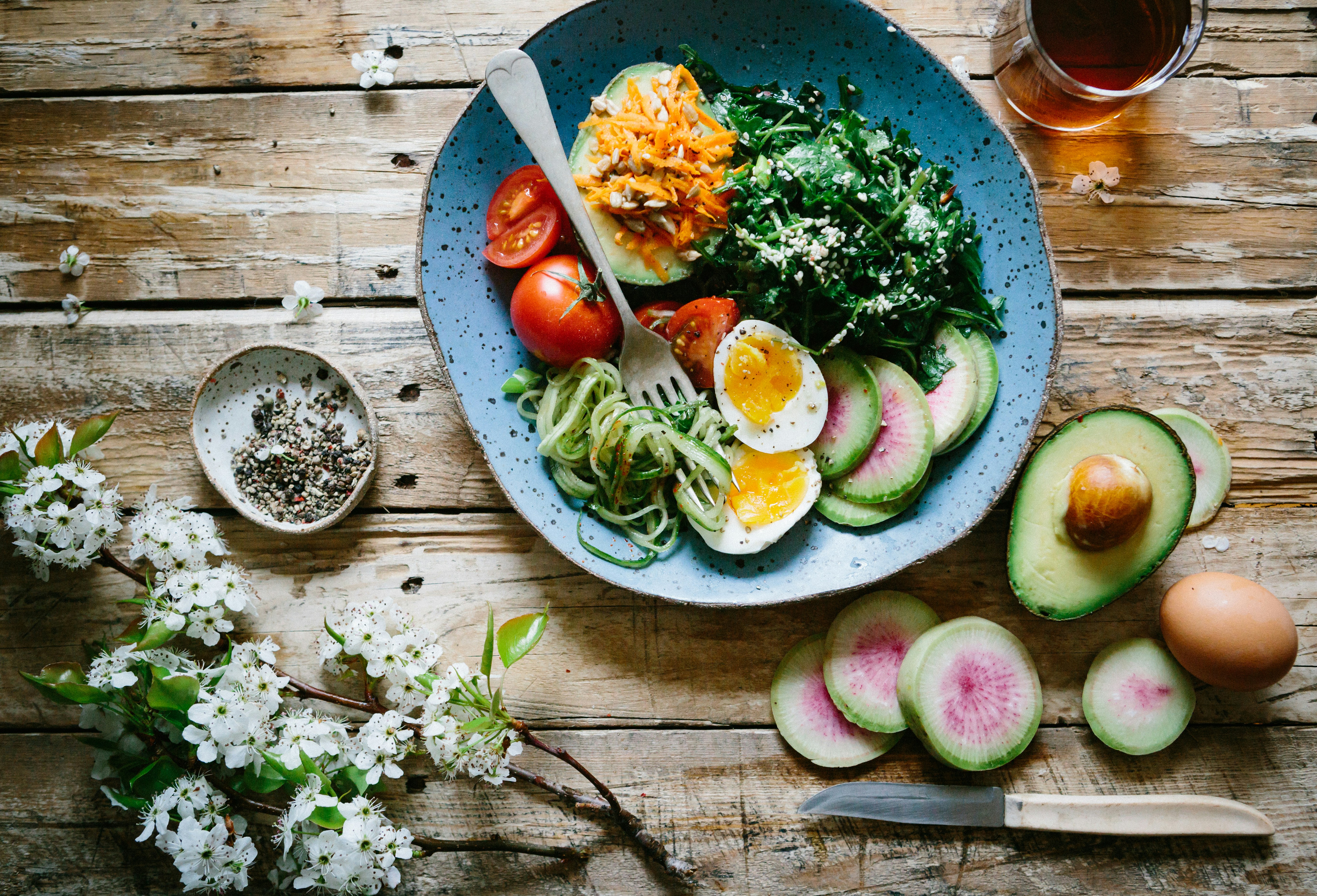
Quick Answer: What Habits Help You Lose Weight Without Hunger?
The best habits for losing weight without feeling hungry are eating protein at each meal, adding fiber-rich foods, drinking water, limiting sugary drinks, eating slowly, choosing whole foods, controlling portions, sleeping enough, walking daily, managing stress, and staying consistent. These habits help you reduce calories in a natural way while keeping meals satisfying.
Why Small Habits Work Better Than Extreme Diets
Extreme diets can create quick results, but they often feel hard to maintain. If a plan makes you feel tired, hungry, stressed, or socially restricted, it may not last long. Many people lose weight for a few weeks, then regain it because the plan was too strict.
Small habits work better because they fit into normal life. You can add protein to breakfast, drink more water, go for a walk, slow down at meals, and choose more whole foods without changing everything overnight. These actions may seem small, but they add up.
The goal is not perfection. The goal is to make your usual routine slightly better. If you normally drink soda every day, switching to water or zero-sugar drinks most of the time is progress. If you usually skip breakfast and snack later, adding a simple protein breakfast may help control hunger. If you eat fast, slowing down can help you notice fullness sooner.
You can also use the Calorixy Free Tools to estimate your calorie needs and build a more realistic plan. Knowing your target can help you avoid guessing, but habits are what make the target easier to follow.
10 Simple Weight Loss Habits That Help Control Hunger
These habits are simple, but they work best when you repeat them. You do not need to master all 10 at once. Pick two or three to start, then add more when they feel normal.
| Habit | Why It Helps | Easy Example |
|---|---|---|
| Eat more protein | Protein helps meals feel more satisfying. | Add eggs, Greek yogurt, chicken, tuna, tofu, beans, or cottage cheese. |
| Add fiber | Fiber adds volume and helps meals feel fuller. | Eat berries, oats, vegetables, beans, lentils, apples, or whole grains. |
| Drink water | Thirst can feel like hunger, and water supports digestion. | Drink a glass before meals and keep a bottle nearby. |
| Avoid sugary drinks | Liquid calories add up without much fullness. | Swap soda, sweet tea, or juice for water, tea, or zero-sugar drinks. |
| Eat slowly | Slower meals make it easier to notice fullness. | Put your fork down between bites and avoid eating while distracted. |
| Sleep enough | Poor sleep can make cravings and hunger harder to manage. | Set a consistent bedtime and reduce late-night screen time. |
Protein is one of the best places to start. A meal with protein usually feels more complete than a meal made mostly from refined carbs. For example, Greek yogurt with berries is usually more filling than a sweet pastry. Eggs with vegetables can keep you full longer than plain toast. Tuna, chicken, tofu, beans, and cottage cheese can also make meals easier to control.
Fiber is the second big habit. Foods like vegetables, fruit, oats, beans, lentils, and whole grains add volume to your plate. This means you can eat a satisfying amount of food while keeping calories reasonable. For more ideas, read High-Fiber Foods for Weight Loss.
Water and sugary drinks matter too. Sugary drinks can add calories quickly, but they usually do not make you feel full like solid food. If you drink soda, sweet tea, juice, or creamy coffee drinks every day, reducing them can make weight loss much easier.
How to Build Filling Meals Without Overeating
A filling weight-loss meal does not need to be complicated. Use a simple plate method: protein, vegetables, a smart carbohydrate, and a small amount of healthy fat. This gives your body enough food while keeping portions balanced.
For breakfast, try eggs with spinach and tomatoes, Greek yogurt with berries and oats, cottage cheese with fruit, or overnight oats with chia seeds. For lunch, try a tuna salad bowl, chicken and vegetable bowl, lentil soup, or chickpea salad. For dinner, try a sheet pan meal with lean protein, vegetables, and a moderate portion of potatoes or whole grains.
You do not have to remove carbohydrates. The better strategy is to choose the right type and portion. Oats, beans, lentils, potatoes, fruit, and whole grains can fit well because they provide fiber and fullness. The problem usually comes from large portions of low-fiber carbs paired with heavy sauces, fried foods, or sugary drinks.
Helpful Calorixy guides include High-Protein, High-Fiber Meals for Weight Loss, High-Protein Breakfasts Under 400 Calories, and Sheet Pan Dinners Under 500 Calories.
Simple meal formula: protein + vegetables or fruit + fiber-rich carb + measured fat. This is easier to repeat than strict dieting and usually feels more satisfying.
Common Mistakes That Make Weight Loss Harder
One common mistake is skipping meals to “save calories.” This can work for some people, but many end up very hungry later and overeat at night. If skipping meals causes cravings, try a small high-protein meal instead.
Another mistake is cutting calories too low. Eating too little may create fast scale changes at first, but it can also cause low energy, strong hunger, and poor consistency. A moderate calorie deficit is usually easier to maintain.
A third mistake is following extreme rules. You do not need to remove every carb, avoid all snacks, or eat only “perfect” foods. A plan that allows normal meals and simple portions is often more successful long term.
Another issue is expecting fast results. Healthy weight loss takes time. Some weeks will be slower because of water weight, stress, sleep, sodium, hormones, or changes in activity. If your habits are improving, keep going and look at your trend over several weeks instead of one day.
Finally, many people forget about stress. High stress can lead to emotional eating, poor sleep, and cravings. You do not need a perfect stress-free life, but simple routines like walking, planning meals, sleeping enough, and keeping easy protein snacks available can help.
Simple 3-Day Habit Plan to Start
If you are overwhelmed, do not try to change everything at once. Start with this simple three-day plan and repeat it until it feels easy.
Day 1: Add protein to breakfast. Try Greek yogurt with berries, eggs with vegetables, or cottage cheese with fruit. Drink one extra glass of water before lunch.
Day 2: Add a high-fiber food to two meals. Use vegetables, beans, lentils, oats, berries, apples, or whole grains. Walk for 10–20 minutes after one meal if possible.
Day 3: Replace one sugary drink with water, tea, sparkling water, or a zero-sugar option. Eat dinner slowly and stop when you feel satisfied, not stuffed.
After three days, keep the habits that felt easiest. The best weight-loss plan is the one you can repeat. You can always add more habits later, but consistency matters more than doing everything perfectly for one week.
Frequently Asked Questions
Can I lose weight without feeling hungry?
Yes. You may feel some hunger at times, but meals with protein, fiber, water-rich foods, and balanced portions can make weight loss much more comfortable.
What is the best habit to start with?
Start with protein at breakfast or lunch. It is simple and often helps reduce cravings later in the day.
Do I need to cut carbs to lose weight?
No. You can lose weight while eating carbs if your overall calories are controlled. Choose fiber-rich carbs like oats, beans, lentils, fruit, potatoes, and whole grains.
How fast should I expect results?
Progress varies. Focus on habit consistency and your weight trend over several weeks, not daily changes.
Sources
Disclaimer
This article is for general education only and is not medical advice. Weight-loss needs vary by person. If you have a medical condition, take medication, are pregnant, follow a prescribed diet, or have a history of eating disorders, speak with a qualified healthcare professional before making major diet changes.