
Weight Loss • Low Calorie • Fullness • Healthy Foods
The best low-calorie foods for weight loss are not tiny diet foods. They are filling foods that give you protein, fiber, water, and volume for fewer calories.
Looking for low-calorie foods that actually keep you full? Choosing the right foods can help you reduce calories without feeling hungry all day. The goal is not to eat the smallest meal possible. The goal is to build meals that feel satisfying while still helping you stay within your calorie needs.
Low-calorie foods work best when they are also high in protein, high in fiber, rich in water, or easy to eat in larger portions. For example, leafy greens, cucumbers, soup, berries, apples, eggs, Greek yogurt, chicken breast, cottage cheese, oats, and lentils can all support weight loss in different ways.
Quick Answer: What Are the Best Low-Calorie Foods for Weight Loss?
The best low-calorie foods for weight loss include eggs, Greek yogurt, oats, chicken breast, leafy greens, apples, lentils, cucumbers, cottage cheese, vegetable soup, berries, tuna, beans, zucchini, carrots, and broth-based meals. These foods help because they provide protein, fiber, water, or volume. For best results, combine low-calorie foods with a realistic calorie target using the Calorixy Free Tools.
Why Low-Calorie Foods Help With Weight Loss
Weight loss happens when you consistently eat fewer calories than your body uses. Low-calorie foods can make that easier because they let you eat satisfying portions while keeping your calorie intake under control. Instead of eating a tiny plate and feeling hungry one hour later, you can build a larger plate with lean protein, vegetables, fruit, soup, or fiber-rich carbohydrates.
The most helpful low-calorie foods usually have one or more of these qualities: they contain protein, they contain fiber, they contain a lot of water, or they take time to chew. Protein helps meals feel more complete. Fiber adds bulk and supports fullness. Water-rich foods like cucumbers, lettuce, tomatoes, soup, and berries help increase volume without adding many calories.
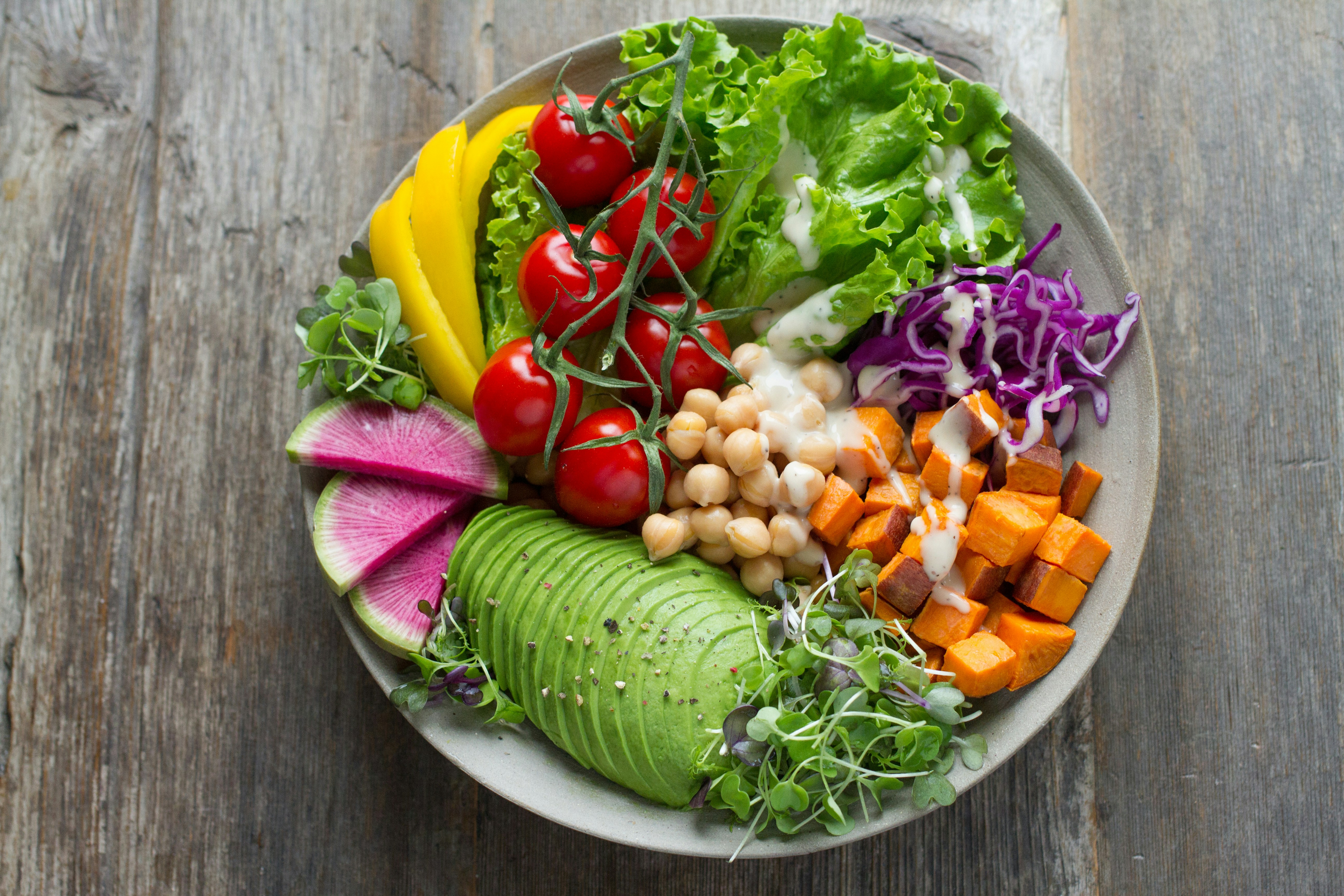
This is why a bowl with chicken, salad greens, cucumber, tomatoes, beans, and yogurt dressing may feel more satisfying than a small pastry with the same calories. The bowl gives you protein, fiber, water, and chewing time. The pastry may taste good, but it usually does not keep you full for long.
Low-calorie foods are not magic. You can still overeat if your meals include large portions of oil, cheese, nuts, creamy sauces, fried toppings, sugary drinks, or desserts. But when you use low-calorie foods as the base of your meals, it becomes easier to control portions without feeling punished.
Best Low-Calorie Foods That Keep You Full
Use this table as a simple guide. The best choice depends on your taste, appetite, budget, and meal style.
| Food | Why It Helps | Easy Way to Use It |
|---|---|---|
| Eggs | Protein-rich and easy to cook. | Make a veggie scramble, boiled egg plate, or egg toast. |
| Greek Yogurt | High in protein and good for breakfast or snacks. | Add berries, chia seeds, cinnamon, or oats. |
| Oats | Fiber-rich and filling for breakfast. | Make overnight oats with fruit and Greek yogurt. |
| Chicken Breast | Lean protein for lunch or dinner. | Add to salads, wraps, sheet pan meals, or bowls. |
| Leafy Greens | Very low in calories and high in meal volume. | Use spinach, lettuce, kale, or arugula as a bowl base. |
| Apples | Contain water and fiber, especially with the skin. | Pair with cottage cheese, yogurt, or a measured spoon of nut butter. |
| Lentils | Provide fiber, plant protein, and slow-digesting carbs. | Use in soups, salads, and meal prep bowls. |
| Cottage Cheese | High in protein and easy to portion. | Eat with berries, cucumber, toast, tuna, or tomatoes. |
| Vegetable Soup | Warm, high-volume, and filling when broth-based. | Start meals with soup or use it as a light lunch. |
Eggs are one of the easiest low-calorie protein foods to use. Two eggs with spinach, tomatoes, mushrooms, or peppers can make a breakfast that feels much more satisfying than a sweet cereal. If you want more protein with fewer calories, you can use one whole egg plus egg whites.
Greek yogurt and cottage cheese are also useful because they do not require cooking. They work for breakfast, snacks, or quick meals. For a sweet option, add berries, cinnamon, or apple. For a savory option, add cucumber, tomatoes, herbs, black pepper, salsa, or tuna.
Oats, apples, lentils, and beans are helpful because they bring fiber. Fiber makes meals feel more filling and supports better appetite control. For example, a bowl of oats with Greek yogurt and berries can be more satisfying than a low-fiber breakfast with similar calories.
How to Build Low-Calorie Meals Without Feeling Hungry
A low-calorie meal should still feel like a real meal. If it is too small, you may feel hungry soon and snack more later. The best structure is simple: choose one protein, add vegetables or fruit, include a fiber-rich carbohydrate if needed, and measure calorie-dense extras.
For breakfast, try Greek yogurt with berries and oats, eggs with vegetables, cottage cheese with apple and cinnamon, or overnight oats with chia seeds. For lunch, try chicken salad bowls, tuna cucumber boats, lentil soup, chickpea salad, or turkey lettuce wraps. For dinner, try sheet pan chicken with vegetables, vegetable soup with beans, salmon with green beans, or tofu stir-fry with zucchini and mushrooms.
The biggest mistake is thinking that low-calorie means plain and boring. Flavor matters. Use lemon juice, vinegar, salsa, mustard, garlic, herbs, cinnamon, paprika, chili flakes, black pepper, low-calorie yogurt sauces, or broth-based seasonings. These add taste without needing heavy sauces.
You can find more ideas in High-Protein, High-Fiber Meals for Weight Loss, Low-Calorie High-Fiber Snacks That Keep You Full, and Sheet Pan Dinners Under 500 Calories.
Simple plate formula: protein + high-volume vegetables + fiber-rich carb + measured fat or sauce. This helps you stay full while keeping calories realistic.
Tips to Use Low-Calorie Foods Correctly
Low-calorie foods work best when you use them to replace higher-calorie choices, not just add them on top. For example, adding a big salad before pizza may help you eat less pizza, but adding a big salad with heavy dressing, cheese, nuts, and creamy sauce may not reduce calories much.
Start by adding protein to every meal. Protein makes meals feel more complete and can reduce the urge to snack. Good options include eggs, Greek yogurt, chicken, turkey, tuna, tofu, cottage cheese, beans, and lentils.
Next, add fiber-rich foods. Vegetables, fruits, oats, beans, lentils, chickpeas, and whole grains help you feel full. If you are not used to high-fiber foods, increase slowly and drink enough water.
Be careful with toppings. Olive oil, nuts, cheese, creamy dressings, mayonnaise, peanut butter, granola, and sauces can be healthy in small amounts, but they are calorie-dense. Measure them when your goal is weight loss.
Finally, avoid sugary drinks most of the time. Soda, sweet tea, juice, and creamy coffee drinks can add calories without helping fullness. Water, sparkling water, unsweetened tea, or zero-sugar drinks can make a big difference for some people.
Common Mistakes to Avoid
One mistake is eating only vegetables and forgetting protein. Vegetables are important, but a meal with only lettuce, cucumber, and tomatoes may not keep you full for long. Add eggs, chicken, tuna, Greek yogurt, tofu, beans, lentils, or cottage cheese.
Another mistake is eating foods that sound healthy but are very calorie-dense. Smoothie bowls, granola bowls, salads with lots of dressing, and nut-heavy snacks can contain more calories than expected. They can fit, but portions matter.
A third mistake is cutting calories too low. Eating very little may cause strong hunger, low energy, and overeating later. A moderate calorie deficit is usually easier to maintain.
Also avoid relying on one food only. Eating only soup, only salads, or only eggs can get boring quickly. Variety helps you stay consistent and get a wider range of nutrients.
For more structured meal ideas, read Lentil Meal Prep Ideas Under 500 Calories and Cottage Cheese Meals and Snacks Under 300 Calories.
Frequently Asked Questions
What food is lowest in calories but filling?
Vegetables, broth-based soup, berries, cucumbers, leafy greens, and high-protein foods like eggs, Greek yogurt, tuna, and cottage cheese can be filling while staying calorie-conscious.
Can I lose weight by eating low-calorie foods only?
Weight loss depends on your total calorie intake over time. Low-calorie foods help, but you still need balanced meals with protein, fiber, and enough nutrients.
Are carbs bad for weight loss?
No. Fiber-rich carbs like oats, potatoes, beans, lentils, fruit, and whole grains can fit well into a weight-loss plan when portions are reasonable.
What is the best low-calorie breakfast?
Good options include eggs with vegetables, Greek yogurt with berries, cottage cheese with fruit, or oats with chia seeds and cinnamon.
Sources
Disclaimer
This article is for general education only and is not medical advice. Nutrition and weight-loss needs vary by person. If you have a medical condition, take medication, are pregnant, follow a prescribed diet, or have a history of eating disorders, speak with a qualified healthcare professional before making major diet changes.